
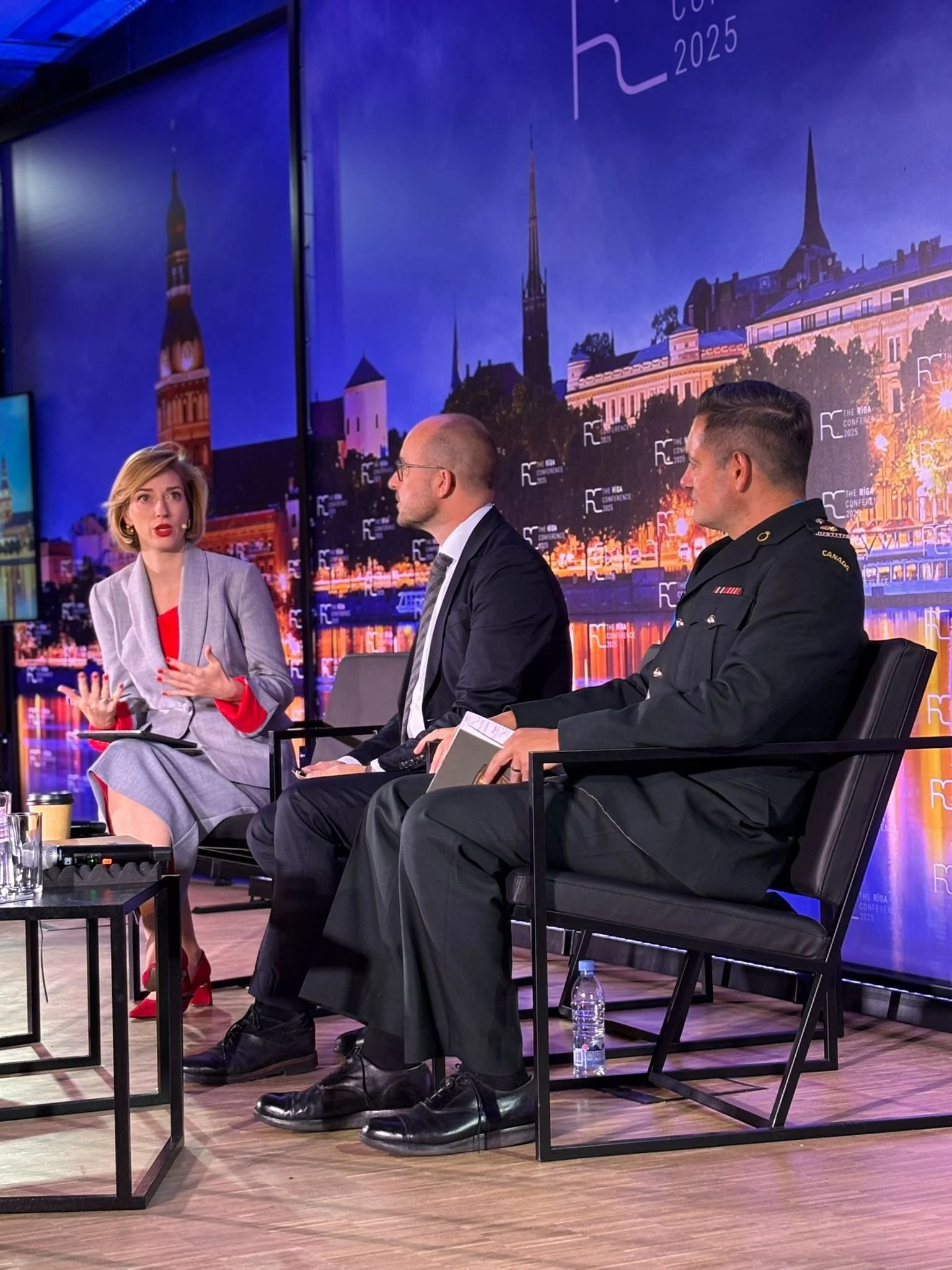
2025 Riga Security Conference, Lativa.
Side-event 10. October 8:30 - 09:30
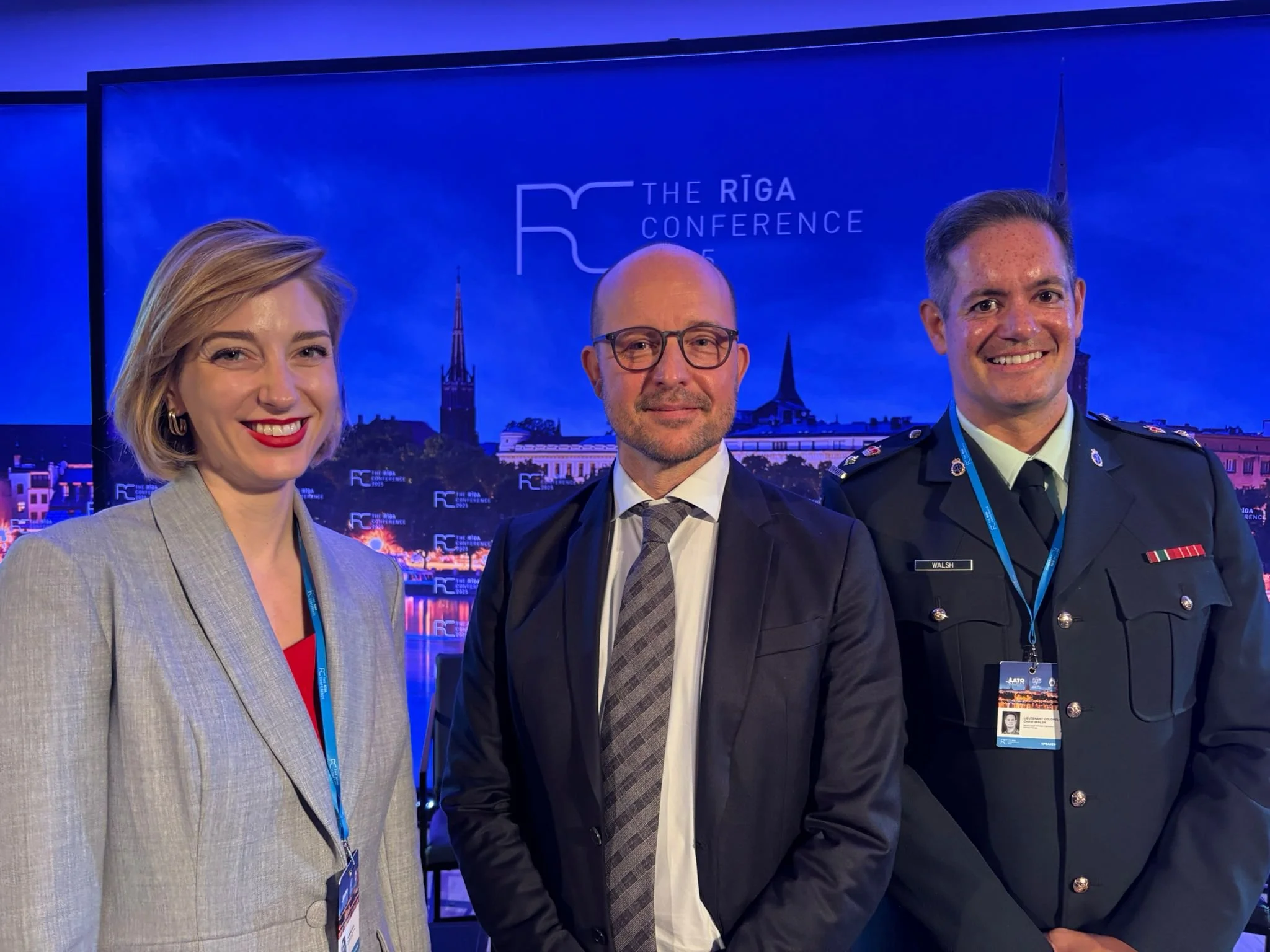
Safeguarding Cultural Heritage in Times of Conflict
Agnese Lāce, Minister of Culture of the Republic of Latvia
Dr. Frederik Rosén, Director of the Nordic Center for Cultural Heritage and Armed Conflict
Lt. Col. Chavi Walsh, Lieutenant Colonel of the Canadian Armed Forces
Cultural heritage has become an urgent part of today’s security agenda. In times of war, it is not only a matter of culture and history but can be also a strategic target and instrument. Destruction or preservation of cultural heritage has direct implications for societal resilience, identity, and political stability. The "Convention for the Protection of Cultural Property in the Event of Armed Conflict" and its Protocols (the 1954 Hague Convention) provide the legal foundation for cultural property protection, yet the main challenge lies in practical implementation. National legal frameworks, military doctrines, and operational planning must effectively integrate these obligations. Given that peacetime preparedness is critical, documentation, inventories, training, and cooperation between cultural institutions and defence structures are essential to ensure swift and coordinated responses during conflict. Civil - military cooperation is a cornerstone of effective protection.
International organisations such as NATO, the UN, and UNESCO are recognising cultural heritage and property protection as part of the global security agenda. The Baltic region, including Latvia, with active cooperation from allies such as the Canadian Armed Forces, illustrates how practical partnerships can strengthen both policy and practice. Latvia has taken important steps to strengthen resilience in this field. The Ministry of Culture has adopted a National Plan for Cultural Heritage Protection in Crisis Situations, implemented by training sessions, seminars. These activities aim to bridge the gap between cultural policy and national security and to ensure that cultural heritage remains protected under any circumstances.
The panel discussion during the Riga Conference seeks to find answers to key questions on why cultural heritage has become such an urgent security issue, how the 1954 Hague Convention can be better implemented and how military forces can integrate protection mechanisms into operational planning.